The Nordland Blueprint: how quickly kelp forests recover after harvesting & why it matters for Northern Europe 

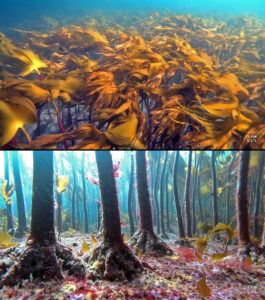
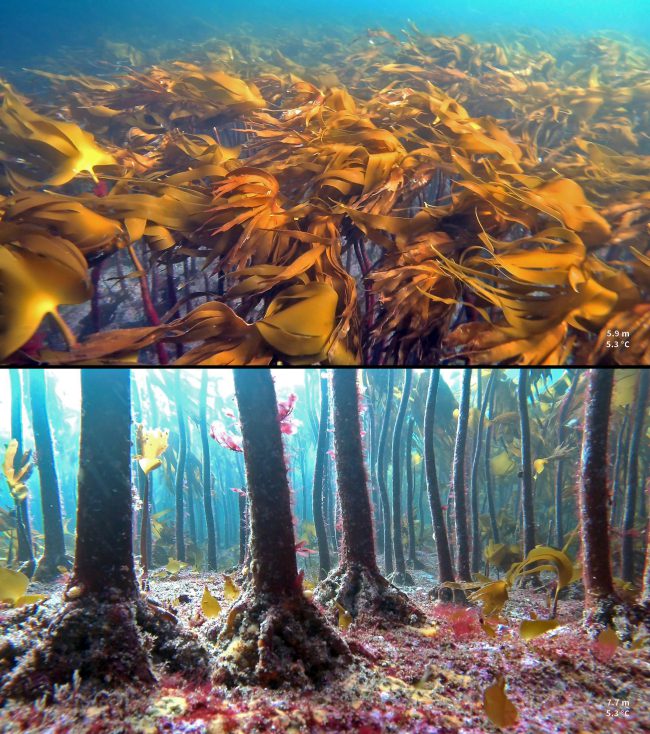
Fig3(høydemåling) SENT BY IMR

The latest field evidence from Norway’s Institute of Marine Research shows that although kelp biomass in southern Nordland generally returns to previous levels five years after harvest, the epiphyterich community and associated biodiversity takes closer to eight years to recover, contrasting with current practices across most of Norway. The 2025 publication adds important fieldscale stock and extraction estimates, clarifies how kelp respond in the first year after harvest, and outlines method improvements for acoustic biomass estimation.

A Simple Question With Large Implications 

When commercial kelp harvesting began in southern Nordland in 2022, scientists wanted to know whether the forests of Laminaria hyperborea would recover quickly enough to keep ecosystems healthy and the kelp industry viable. The Institute of Marine Research (short: IMR) designed a multi-year monitoring programme that combined legacy trial-harvest stations with a full network of transects across every harvest field from Bindal to the southern edge of the Vega archipelago. The report (published on 28 October 2025) distils the story of 2020 to 2024 into a clear answer. Canopy size and biomass return to reference levels roughly five years after harvesting, while the epiphyte communities that importantly turn a stand into a complex habitat take about eight years to reestablish compared to undisturbed forest areas.   

This difference is not a contradiction. It reflects two clocks that tick at different speeds.
Biomass 
can grow back quickly, which suits a reliable supply chain. Habitat complexity recovers more slowly, which matters for ecosystem health, biodiversity and fisheries that use kelp forests as nurseries, which are also crucial food sources for important and protected seabirds in the area. Nordland’s harvest rotation deliberately mixes five-year and ten-year cycles so it can trial and assess different recovery periods, and this report evidences why that is important for establishing best practices in the industry.  

How The Monitoring Works 

IMR’s approach uses three complementary lines of evidence to monitor recovery. Underwater video transects measure cover, height and density of kelp each June, ensuring comparability across years. Targeted sampling enables the biomass, ages and epiphyte cover of kelps to be determined and records the presence of juvenile sea urchins in the holdfasts. Vessel-mounted acoustics convert echo intensity into large-scale biomass estimates of the forests that can be repeated efficiently across many stations and seasons. Together, these methods turn snapshots into a more complete picture of recovery.  

The acoustic element is particularly important because it scales the work beyond what divers or video alone can do, allowing wider areas of kelp forests to be assessed. IMR’s peer reviewed method shows how standard fisheries echosounders can be calibrated against ground truth video so that echograms become robust point estimates and, ultimately, spatial maps of kelp biomass. That makes annual, coastwide accounting feasible with gear that many vessels already carry.  

How Norwegian Kelp Forests Recover After Harvesting

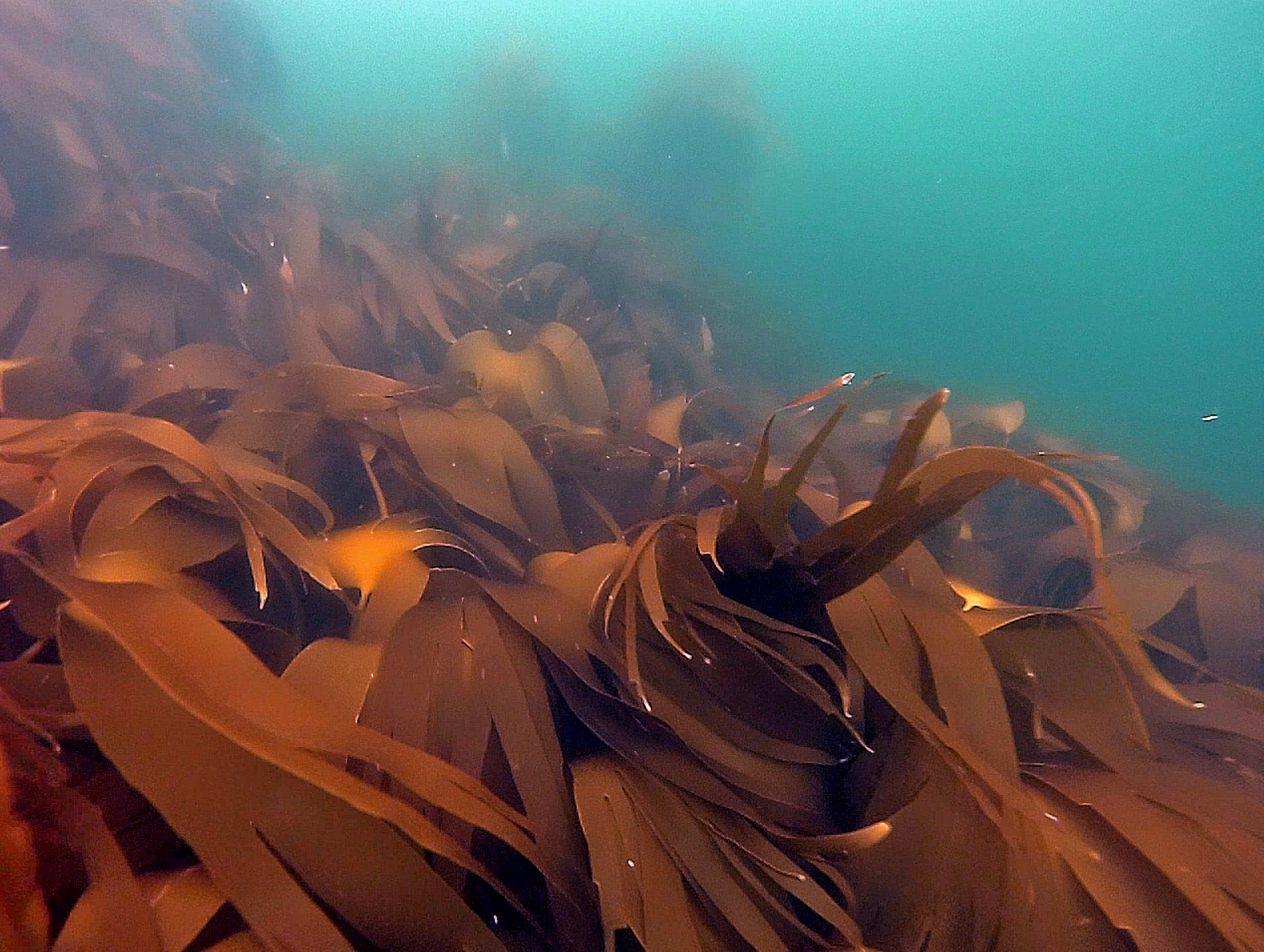
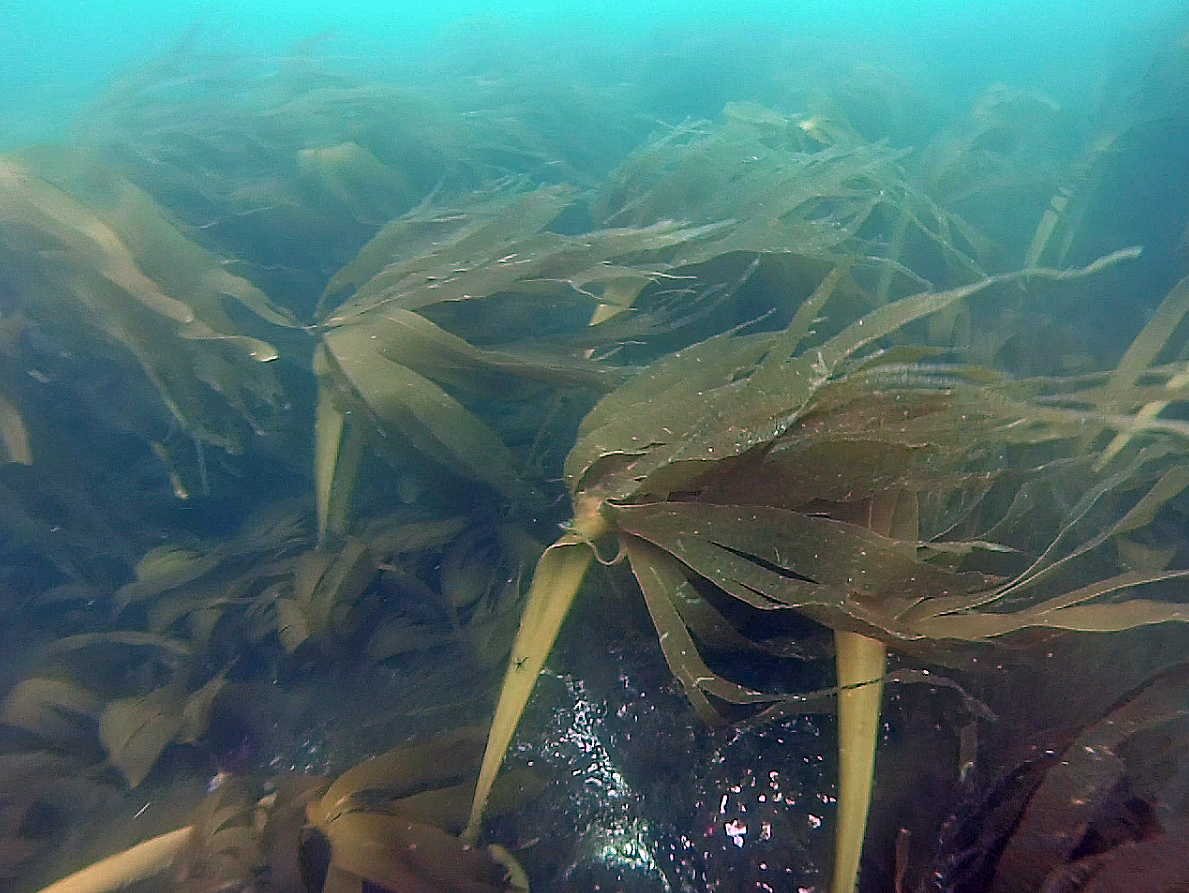
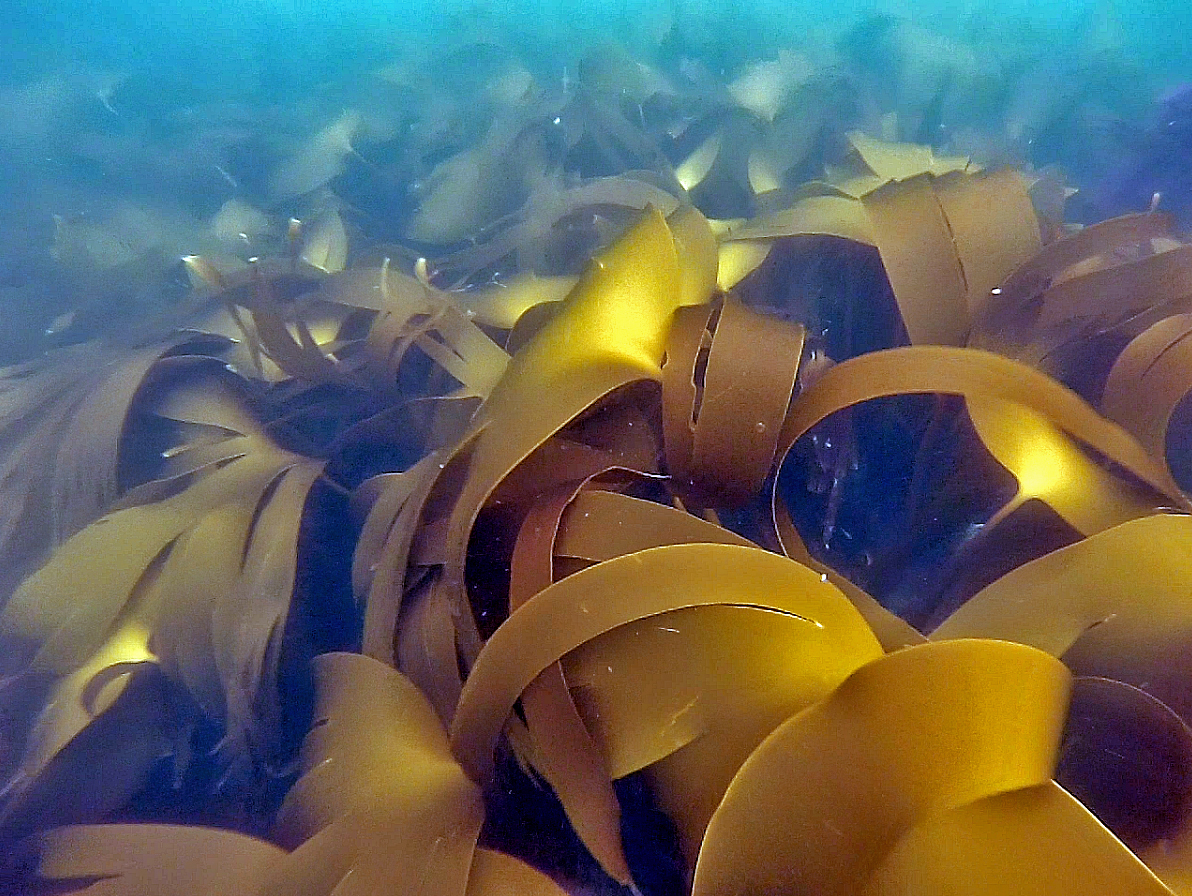
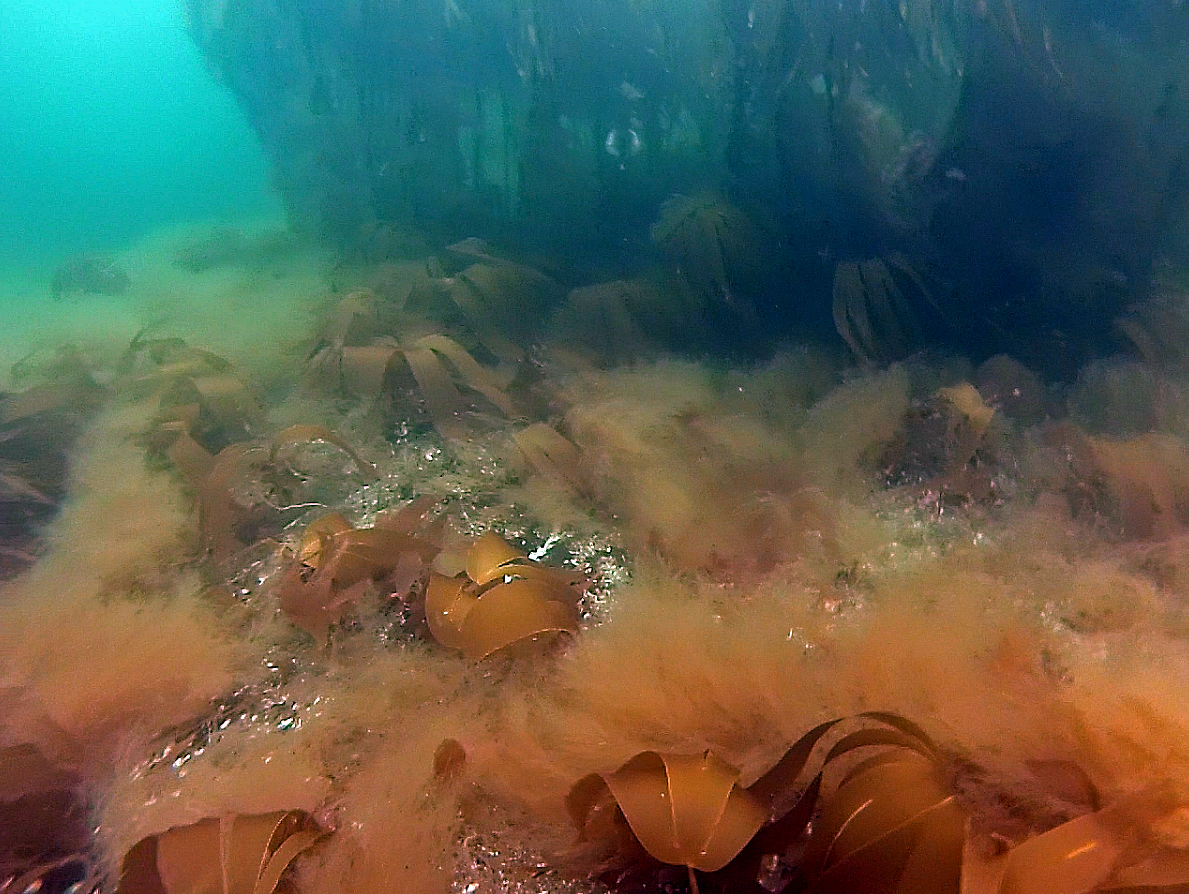
The transects run each  June, show  fresh trawl tracks in fields harvested in the previous summer, followed by recolonisation of kelps. One year after harvesting, kelp coverage is often high, although the canopy height is still low. In several fields harvested in 2023, the open patches also hosted another opportunistic and non-commercial kelp species, Saccorhizapolyschides, that colonises spaces after disturbance, highlighting the potential for harvesting to shift species assemblagesThese pulses may be transient stages rather than regime shifts, as Laminaria hyperborea was observed to regain dominance in the second year, nevertheless, it is unclear whether this will happen after repeated harvesting over multiple years.   

Sea urchin abundance remains critical to assess given their role in devastating kelp forest losses recorded in much of northern Norway, threatening both biodiversity and the kelp industry. Fortunately, moderate densities of red sea urchin , Echinus esculentus,  were recorded in the Nordland surveys, and although juveniles of the green sea urchin Strongylocentrotus droebachiensis were found in holdfasts, there was no sign that grazing prevented recolonisation in harvested lanes during 2022 to 2024. IMR therefore calls for continued surveillance while noting that current levels did not impede recovery.    

A five-year kelp biomass and eight-year biodiversity recovery pattern has been reported previously in Norway. The 2025 report reaffirms these timescales across many more sites in a new area of Norway, highlighting a clear trend with important sustainability implications across Norway. It also introduces higher resolution stock and extraction estimates which are needed for regulatory bodies, such as the Directorate of Fisheries.  
Improvements In Stock Estimates With Acoustic Modelling

One of the most significant outcomes from IMR’s work has been to create a field scale biomass model. Built on a 50 meter grid, it accounts for depth, wave climate and bottom type and handles spatial autocorrelation explicitly, turning transect observations into maps of standing stock and uncertainty for the entire harvest area. The model estimates about 579000 tonnes of  Laminaria hyperborea across all depths in southern Nordland, with approximately 516000 tonnes in the legally harvestable band between two and twenty metres. These numbers allow a direct comparison to reported landings in 2022 to 2024, which translates to an overall extraction rate of about twenty three percent for the fields that opened.

The biomass model improves spatiotemporal assessments of kelp forest sizeThis new method is accessible and fast enough to use operationally, which is why IMR can report field-level biomass estimates from Nordland with transparent uncertainty instead of only station level trends. Nevertheless, currently the biomass of dense but short canopies can be overestimated using the model, which is a limitation in measuring the recovery of kelp forests after harvest. Methods are being tested to help resolve this issue and improve model accuracy.

Laws And Practices To Implement The Scientific Evidence 

To maintain a viable industry, it is critical that the scientific evidence and guidance is followed by law and policy makersPrevious assessments conducted further south in Vikna, have also followed a similar combination of monitoring, modelling and field rotation for adaptive management. The Nordland monitoring is crucial to expand this evidence base to determine whether the industry is acting sustainably and continued long-term monitoring is needed to observe how fields react to repeated harvesting. 

Currently, kelp harvesting is prohibited at depths over 20 m to protect deeper and less dense stands along the coast. The regional regulations for southern Nordland also mean harvesting islimited to summer only windows, and harvesting is prohibited in protected UNESCO World Heritage areas without special permission. However, limited protections are in places for Norwegian kelp forests, which are one of its largest and most important marine habitats. 

Importance For The PROTEUS Project And Northern Europe 

The Institute of Marine Research that has driven the Nordland monitoring programme is a key scientific partner on the PROTEUS project. This Nordland programme is straightforward and cost-effective to replicate as diver-free video surveys and acoustic methods are widely available and can be standardised across sites. Spatial modelling allows field-level biomass and extraction maps to be created from in-situ data to scale up estimates of kelp forest biomass and health. These tools create a monitoring and assessment system that could also be used to guide restoration efforts in areas where kelp forests have been lost.

IMR as a long-term monitoring organisation, also provides clear guidance to policy makers bridging science and industry. That institutional continuity is a national asset and a resource for European collaborations that want to raise monitoring standards across regions. 

For the PROTEUS project to deliver on its sustainability aims, it must consider the importance of these findings for kelp forest recovery times and continue to support biodiversity monitoring efforts.

The Bottom Line: Kelp Forests Can Recover After Harvesting, If Given Enough Time For Full Ecosystem Regeneration

The results from the Nordland monitoring provide indication that commercially harvested Laminaria hyperborea forests in northern Norway can recover their biomass within approximately five years, but the full ecological complexity and biodiversity value of the kelp forest takes closer to eight years to return. By combining underwater video, biological sampling, and acoustic surveys, IMR has developed one of the most operationally practical and scientifically robust kelp monitoring systems currently available in Europe, including improved estimates of standing stock and extraction rates. The findings support adaptive harvest rotations and show that present harvesting levels in southern Nordland have not prevented regrowth, although continued long-term monitoring is essential to assess repeated harvesting effects, species shifts, and grazing risks from sea urchins.

For Norway and the wider PROTEUS project partnership, the study demonstrates that sustainable kelp harvesting depends not only on restoring biomass, but also on allowing enough time for biodiversity and ecosystem functioning to recover. 

Original author of reports: Henning Steen, Marine biologist researcher at the Institute of Marine Research, Norway

Translation and editing: Steinbeis Europa Zentrum and Sophie Corrigan, researcher at the Institute of Marine Research, Norway

Picture copyright: Institute of Marine Research, Norway

About the Circular Bio-Based Europe Joint Undertaking

The project is supported by the Circular Bio-based Europe Joint Undertaking and its members. The CBE JU is a €2 billion partnership between the European Union and the Bio-based Industries Consortium, funding projects to advance circular bio-based industries in Europe.
Funded by the European Union. Views and opinions expressed are however those of the author(s) only and do not necessarily reflect those of the European Union or the CBE JU. Neither the European Union nor the CBE JU can be held responsible for them.

Alginor ASA

Alginor is a fully integrated B2B biomarine ingredients company developing sustainable, high-value ingredients from brown macroalgae for uses in the medical, personal care, food, feed and agricultural industries. The company is developing an integrated value chain consisting of two primary businesses, including offshore harvesting of wild-caught raw materials through its own operated vessels, and valorisation of ingredients through biorefining. Alginor’s vision is to expand the availability and use of sustainably sourced ingredients based on Laminaria hyperborea – a self-renewable resource growing in abundance in Norway and Europe – through utilisation of all components in the biomass without using any harmful chemicals.

Main role in the project

Alginor plays a key role in the PROTEUS project as the project coordinator, overseeing the flagship biorefinery development from 2024 to 2028. Alginor is responsible for key aspects, including the sustainable harvesting of Laminaria hyperborea, biorefinery process innovations, and the commercialization of kelp-based product ingredients. Their focus is on converting bio-based side streams into valuable products, with the goal of minimizing waste and enhancing resource utilization. Through their leadership in various work packages, Alginor ensures the project’s alignment with industrial, environmental, and regulatory standards.

BORREGAARD AS

Borregaard operates one of the world’s most advanced and sustainable biorefineries. By using natural, renewable raw materials, we produce advanced and environmentally friendly biochemicals that can replace oil-based products. 
Utilising the different components of wood, we produce biopolymers, speciality cellulose, biovanillin, cellulose fibrils and bioethanol for a variety of applications in sectors such as agriculture and aquaculture, construction, pharmaceuticals and cosmetics, foodstuffs, batteries and biofuels. We employ 1100 man-years in plants and sales offices in 13 countries throughout Europe, Asia and the Americas.
Strong innovation efforts is one of Borregaard’s strategic priorities. Long-standing research and development have resulted in solutions that respond to important long-term global challenges. Our sustainable products and solutions can play an important role in addressing some of the world’s greatest challenges: Population growth and climate change. 

Main role in the project

Borregaard will investigate fibrillation of cellulose derived from L.hyperborea to make microfibrillated cellulose (MFC) for use as a replacement for synthetic additives e.g., coatings, adhesives, surfactants and detergents.
Objective: To achieve a TRL of 7-8 in kelp-based ingredients into bio-based materials for industry applications.
Key performance targets include achieving an energy-efficient fibrillation process, maintaining or improving MFC quality compared to wood-based MFC, ensuring microbiological stability, increasing dry matter content, introducing unique MFC properties, and exceeding application performance achieved with wood-based MFC in selected applications.

NORSUS-Norwegian Institute for Sustainability Research

NORSUS is a private not-for-profit research institute, established in 1988. We work with assessing environmental and resource efficiency and are one of Europes leading institutes in applying the life cycle approach on a wide variety of sectors.
NORSUS is leading WP 5 that will assess the environmental, social and economic sustainability of the value chains developed in the project.

INSTITUTE OF MARINE RESEARCH

The Institute of Marine Research (IMR) is one of the largest marine research institutes in Europe, with about 1,050 employees. Our main activities are research, advisory work and monitoring for our Government and Parliament regarding national and international waters.
Our head office is in Bergen, Norway. We also have an office in Tromsø and research stations in Matre, Austevoll and Flødevigen. Our Research Vessel Department has ownership responsibility for the research vessels, which are our most important tools for collecting marine data, in addition to unmanned sea drones and installations. IMR also has several laboratories that analyze all types of physical and biological parameters in the samples taken by IMR’s monitoring and research programs.
Through its research and advice, IMR is contributing with eco system knowledge and advice for sustainable stock-, shellfish and kelp harvesting, and for kelp restauration, for a more sustainable aquaculture industry, and for safe, heathy and nutritious food.
We are a neutral knowledge provider, and we publish our research results in international science journals as well in report for stakeholder and the public as well as for local, national and international media.
The IMR is affiliated to the Ministry of Trade, Industry and Fisheries, which provides around 50% of our funding. The rest of our funding comes from external research grants.

Our vision: Knowledge and advice for rich and clean oceans and coast zone.

Our ambition: We will be an international leader in marine research and advisory services.

Our values: All our work must be based on integrity, creativity, collaboration and respect.

Our social mission: Institute of Marine Research will be a leading supplier of knowledge relating to the sustainable management of the resources in our marine ecosystems and the whole food chain from the sea to the table.

ALGINOR BIOREFINERY AS (ABR), AVALDSNES (Norway)

ALGINOR BIOREFINERY AS is a wholly owned subsidiary of Alginor ASA. It operates all downstream activities related to biorefining, including further development of all portfolio ingredients and the optimization of all process lines.

Main role in the project

ALGINOR Biorefinery operates the flexible biorefinery pilot plant, playing a central role in scaling up biorefinery processes and refining manufacturing methods to extract ingredients from kelp biomass.

HYPOMAR AS (Hypomar AS), HAUGESUND (Norway)

HYPOMAR AS specializes in sustainable marine harvesting and is responsible for organising and implementing harvesting and upstream operations. It has expertise in developing innovative techniques for seaweed harvesting. Hypomar AS is a 100% owned subsidiary of Alginor ASA.

Main role in the project

Hypomar’s primary role is to lead the harvesting activities within the project. They provide the essential kelp harvesting vessels and equipment, ensuring a consistent and high-quality supply of biomass for the biorefinery process.

PROTEUS-Partners in Norway

ALGINOR ASA (Alginor), HAUGESUND (Norway)

BORREGAARD AS (BORREGAARD), SARPSBORG (Norway)

NORSUS NORSK INSTITUTT FOR BAEREKRAFTSFORSKNING AS (NORSUS), KRAKEROY (Norway)

INSTITUTE OF MARINE RESEARCH (IMR), BERGEN (Norway)

ALGINOR BIOREFINERY AS (ABR), AVALDSNES (Norway)

HYPOMAR AS (Hypomar AS), HAUGESUND (Norway)

CLIC Innovation Ltd

CLIC Innovation Ltd is a non-profit company based on public-private-partnership model.

Our mission is to build and manage open innovation collaboration between companies, academia and other relevant stakeholder qroups in bioeconomy, energy and circular economy themes. We address systemic challenges, that arise from the scarcity of natural resources and drive green system transition. Our aim is to create additional value to our partners by building, coordinating, and managing R&D&I projects to construct systemic solutions, which are beyond the resources of individual operators.

We are experts in open innovation facilitation and boosting communication, dissemination, exploitation and impact for RDI activities. We drive the transition with our open innovation ecosystems and projects with quadruple helix approach.

We contribute to developing a more favourable innovation environment in EU.

CLIC is leading the work package WP6 – Commercialisation Strategy & Exploitation. The objective is to enhance the successful market uptake and replication of the PROTEUS biorefinery concept across Europe and the commercialization of the bio-based products derived from this process. The main activities include:

  • Assessment of the techno-economic viability of the biorefinery concept and its products.
  • Implementing strategies to protect and commercially exploit the foreground knowledge generated during PROTEUS.
  • Designing an Exploitation, Business and Commercialization Plans for the seaweed biorefinery and its products.
  • Developing commercial scenarios and value chains for the technologies developed.

CLIC is also participating in the work packages WP5 and WP7.

STEINBEIS INNOVATION GGMBH

Steinbeis Europa Zentrum stands for 35 years of experience in innovation consulting and research funding in Europe and beyond. With more than 80 EU projects and around 800 partnerships in 50 countries every year, Steinbeis Europa Zentrum is well networked and helps its clients to enter international markets. 

Well-connected with international partners and networks, we stand by companies, start-ups, universities, research institutions and cluster initiatives on issues of innovation management, financing, EU applications, international markets, regional and social transformation and innovation policy. 

For all target groups, we offer further training on proposal writing, project management and innovation. Together with economic development agencies, representatives of the state ministries and the EU, we conceptualise and organise large congresses and information events, including international ones, bringing together innovation actors from the entire value chain. 

With various activities from the non-profit, economic as well as European sectors, we create added value for our clients: companies and start-ups, universities and research institutions, cluster initiatives and networks, public sector actors. 

Steinbeis Europa Zentrum consists of three strong partners: Steinbeis EU FOR YOU (formerly SEZ, founded in 1990, part of Steinbeis Innovation gGmbH), Steinbeis 2i GmbH (founded in 2016) and Steinbeis IDEA Europe (the Institute of the Commissioner for Europe of the Minister of Economic Affairs, Labour and Tourism Baden-Württemberg, founded in 2018, part of Steinbeis Innovation gGmbH). 

Main role in the project

SIG is project partner and leader of WP7 Dissemination & Communication. SIG is responsible for developing communication and dissemination strategy of the project and implementing it in cooperation with all partners. SIG develops the corporate identity elements, including logo, key visuals, fonts, colour codes and style guide, as well as promotional materials and guidelines to achieve optimal visibility for activities aimed at increasing awareness, engagement, acceptance and fostering uptake of the project results. SIG develops and maintains the project website and manages social media assets of the project. SIG also manages the repository for scientific papers created by project’s scientific partners to facilitate knowledge transfer and sustainability at international, European and local level.  

ESSITY HYGIENE AND HEALTH AB

Essity Hygiene and Health AB is a global, leading hygiene and health company. Essity develop, produce and sell products and solutions within the Business Areas Personal Care, Consumer Tissue and Professional Hygiene.

Main role in the project

Essity´s role in the project is to evaluate the performance of newly developed super absorbing algae-based materials from Alginor

OLMIX

Olmix was created in 1995, in Bréhan, at the heart of Brittany, from the desire to provide natural alternatives to agricultural additives. From the start, Olmix Group has innovated in transforming by-products into high-value ingredients, from raw materials such as trace elements and opportunist seaweed species. It is today a global company specialized in developing, producing and distributing high-value biosourced solutions for livestock and crop farming in more than 100 countries across the world.

Main role in the project

Olmix will evaluate the regulatory compliance of the biorefinery products developed from the brown alga Laminaria hyperborea by Alginor for use in the feed sector. The compatible products will be screened on in vitro models to determine their potential applications and used as ingredients for the development of products aiming to reinforce animal health and performance. The Proteus project gives us the opportunity to evaluate a new seaweed resource complementary to our red and green seaweed actives from our biorefinery in Bréhan, France.

Vaess, Dutch food engineers

Vaess is a pioneering Dutch company in the food industry, dedicated to innovation and quality since 1946. As food engineers, we specialize in developing cutting-edge solutions across a wide range of categories, including meat, seafood, bakery products, plant-based alternatives, and pet food. Our expertise lies in creating products that not only meet the highest standards of taste and texture but also prioritize sustainability and operational efficiency.
Through close collaboration with our customers and partners, we strive to enhance product quality, optimize production processes, and minimize food waste. Our commitment to innovation drives us to continually explore new concepts and technologies, ensuring we remain at the forefront of the evolving food landscape. At Vaess, we believe in shaping the future of food, delivering solutions that are both delicious and responsible.

We are responsible for assessing the by-products generated from the sustainable cultivation and harvesting of seaweed, focusing on their suitability for food applications. This includes a thorough analysis of the functionality and organoleptic properties of these by-products. Additionally, we evaluate the route to market, potential sales channels, and regulatory applicability to ensure that the products meet all relevant requirements and standards.